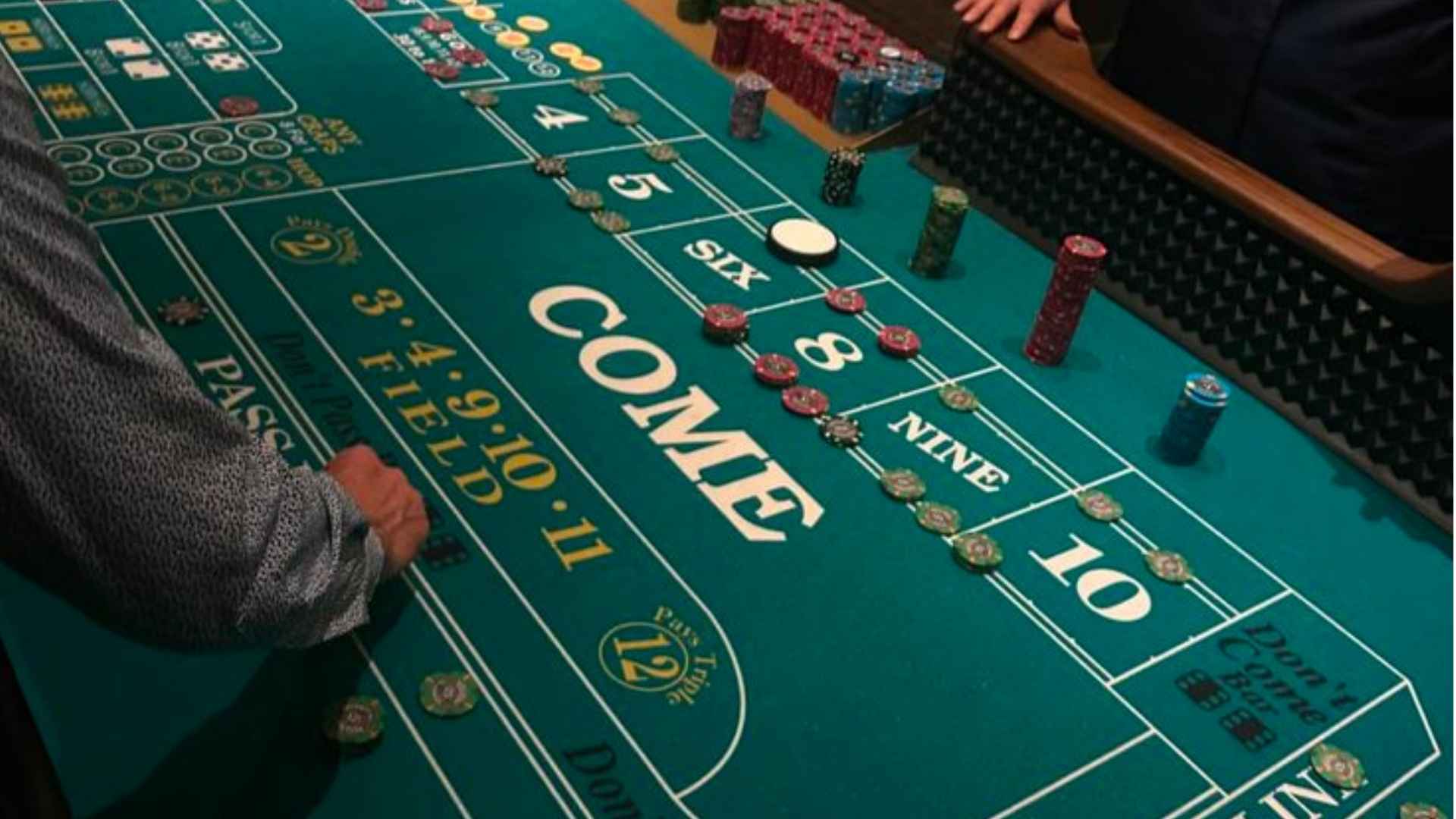
The global evolution of card games reveals how different societies transformed simple regional pastimes into deeply regulated cultural ceremonies. Long before international gaming corporate bodies unified rules across the world, separate continental gaming circles functioned under localized guidelines. Exploring how these classic traditions migrated across different borders provides essential historical context on modern entertainment behavior.
The Refined Gaming Salons of Western Europe
In nineteenth-century France and Great Britain, elite clubs treated card gaming as a test of social standing and elegant mannerisms. Private parlors prioritized quiet concentration, complex seating formats, and shared physical risk among noble participants. These structured interactions established the groundwork for formal casino etiquettes that continue to influence luxury establishments today.
As these practices traveled across the English Channel, continental clubs modified the structural banking rules to allow faster engagement. However, the fundamental emphasis on behavioral transparency and face-to-face psychological assessment remained central to the European experience. This dedication to prestige ensured that regional gaming houses maintained an exclusive atmosphere for generations.
North American Adaptations and the Frontier Shift
When traditional European card setups crossed the Atlantic Ocean, the frontier culture of early America rapidly transformed the playing style. The rigid etiquette of old-world salons gave way to high-velocity competitive situations where efficiency and direct player confrontation dominated. This cultural migration led directly to the creation of commercial card rooms that prioritized rapid dealer distribution and distinct public access.
The physical geometry of the tables also adapted to accommodate growing crowds in booming public commercial centers. Rather than keeping games confined to private invitations, American establishments opened localized versions to diverse social groups. This operational shift democratized classic gaming frameworks, paving the way for modern tournament atmospheres seen in global entertainment capitals.
Asian Perspectives on Modern Digital Integration
In various Asian regions, traditional meeting spaces historically blended local tactical board games with imported European card practices. Modern communities have successfully preserved the core psychological elements of these games while moving them seamlessly into digital ecosystems. This balance allows contemporary players to enjoy historical customs through responsive web platforms that replicate authentic table dynamics.
Today, enthusiasts looking to explore these international custom variants can easily access specialized platforms like ทางเข้าm88 to participate in interactive gaming. These digital spaces maintain the strict mathematical integrity of original card values while utilizing automated software to streamline transactions. Consequently, global participants can experience ancient world customs without losing the convenience of modern connectivity.
The Preservation of Cultural Card Customs
The global history of card games demonstrates that while technology alters delivery platforms, the human desire for strategic risk remains constant. Every contemporary card table carries elements of the regional adaptations that shaped its development across separate centuries. Understanding these global transitions provides modern enthusiasts with a deeper appreciation for the rich heritage behind every round dealt today.